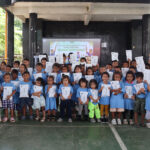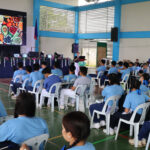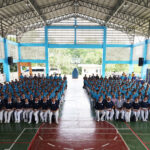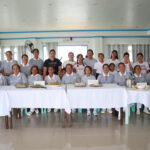
Tzu Chi Bohol seized an opportunity to help various communities by leveraging Taiwan’s technology obsolescence. As technological advancements lead to rapid updates and replacements of devices, many functional items become obsolete yet remain usable. Tzu Chi’s initiative centered on collecting these discarded technologies to repurpose them for humanitarian aid, providing an essential resource to those in need.
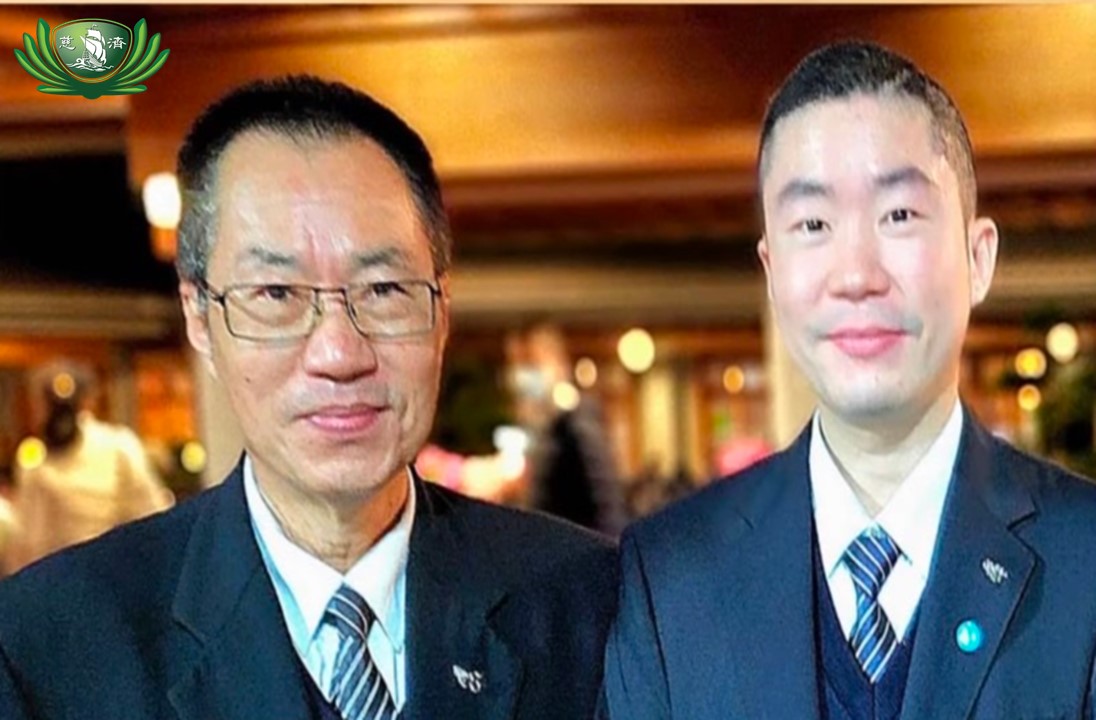
One year ago, a casual father and son long-distance conversation lead to this massive endeavor. Brother Chris Chen (陳其毅) who is residing in the Philippines, came to his father, one of Taiwan’s very dedicated Tzu Chi volunteer Brother Joe Chen (陳兆揚), for assistance to source out second-hand computers for the province of Bohol, having observed that many children in this region have limited or no experience with using computers. This digital illiteracy is a significant concern, as computer skills are not currently included in the school curriculum. Without access to these essential tools, children are missing out on critical learning opportunities and are at a disadvantage in today’s technology-driven society.
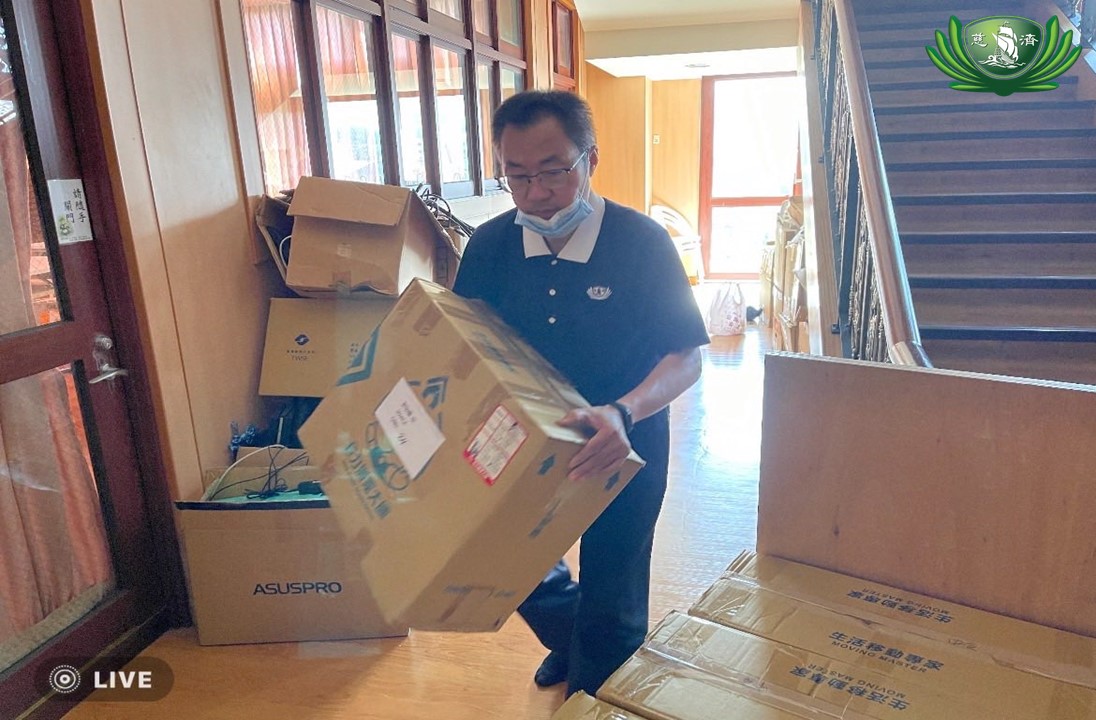
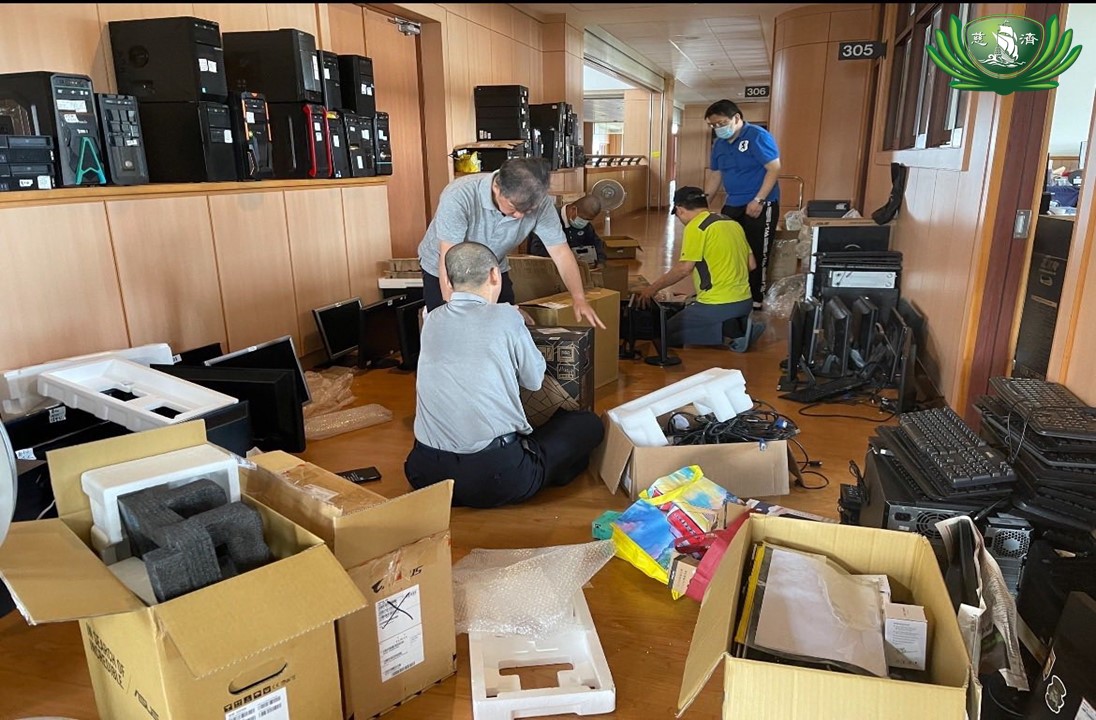
Brother Joe Chen went through great lengths reaching out to connect with several stakeholders in Taiwan until he was able to convince a securities company, which replaces its computers yearly, that Tzu Chi is sending these discarded computers to help the Philippines. Hearing this, the securities company donated over 100 desktop computers. But Bro. Joe’s just getting started, he thought that the computers have different voltage requirements in the Philippines and while he was at it, he knew that these needed upgrading of hardware and software as well. He transported all the donated devices to Taiwan’s Silicon Valley, Hsinchu City and realizing Bro. Joe’s determination to help, the people were much more than willing to tweak the devices at no cost to Tzu Chi Foundation. Some of the computers were also optimized and configured for the visually impaired users to which 2 units were given to a school for the blind in Bohol.
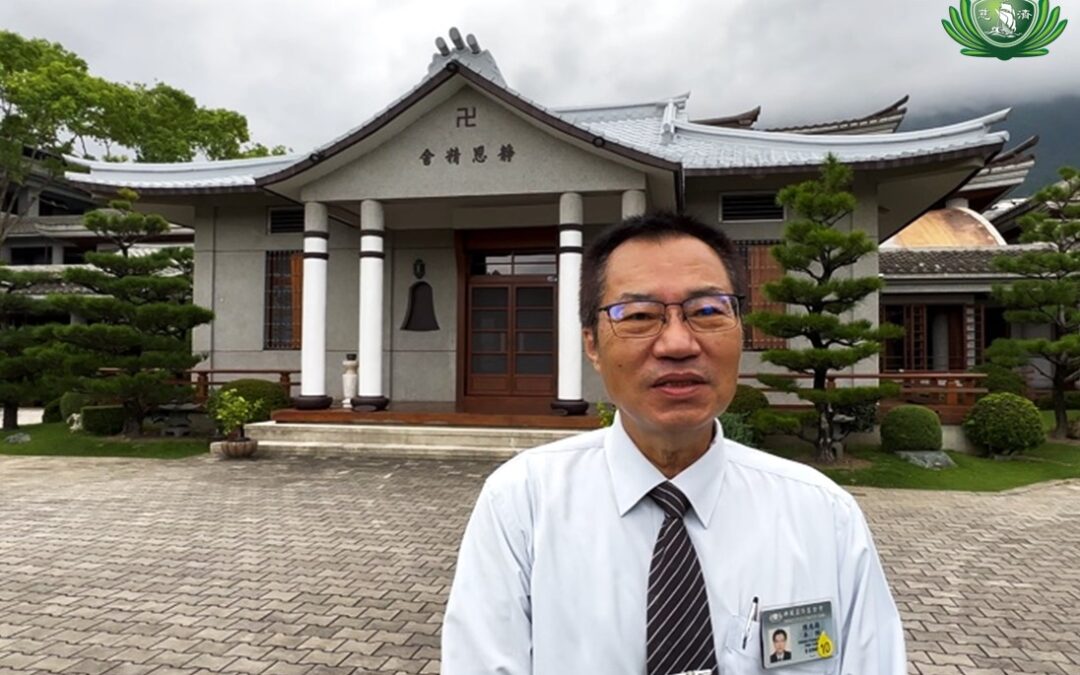
“They (Philippines) are used to using computers entirely in English, and currently, they are using Windows 8. We hoped to upgrade them to Windows 10, and they (Hsinchu) said there was no problem. They (Hsinchu) upgraded the computers to Windows 10, and provided us with new mouse and keyboards, which were all shipped to Bohol, Philippines”, said Bro. Joe Chen.
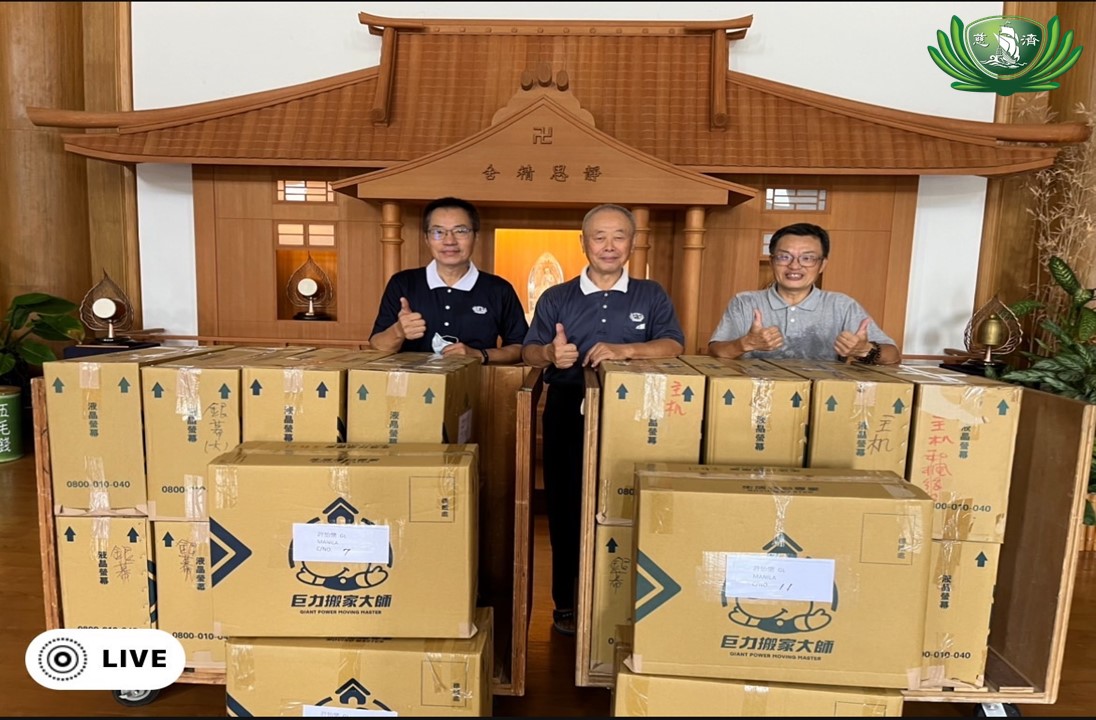
When the securities company saw the photos and videos of the students and teachers from different schools in Bohol happily receiving the computers, they (securities company) committed to continue supporting Tzu Chi by providing 20 desktop computers quarterly. The ripple of goodness began to rollover as more organizations and individuals learned about the project and offered their support.
“Hsinchu took the initiative to apply at an UN-affiliated organization, and they were able to secure the software (Windows 10 – English version). Regarding funding, we’ve already coordinated with Microsoft, and they agreed to provide us with Windows 10 for free. As long as we don’t resell it, they are willing to continue supporting us.”, Bro. Joe continued.
Aside from the public schools in Bohol benefiting from the computers, Tzu Chi reached out to a community, the Ati Tribe, also known as the Aeta. The Ati Tribe is one of the indigenous peoples found in various regions in the Philippines. They are part of the Negrito Ethnic group which is known for their distinct physical features and traditional lifestyle.
Often faced with discrimination and marginalization, the Ati people’s access to employment, healthcare, and education has since long been affected. They experienced social exclusion and a lack of representation in institutions, which perpetuated cycles of poverty and inequality. This prompts them to frequently move from one place to another in search for better living conditions away from oppression. The Ati tribe in Laoay, Bohol is a small group that got separated from their own. They settled in an area in Botoc for a chance at survival relying on subsistence farming, informal labor, hunting, and charcoal making.
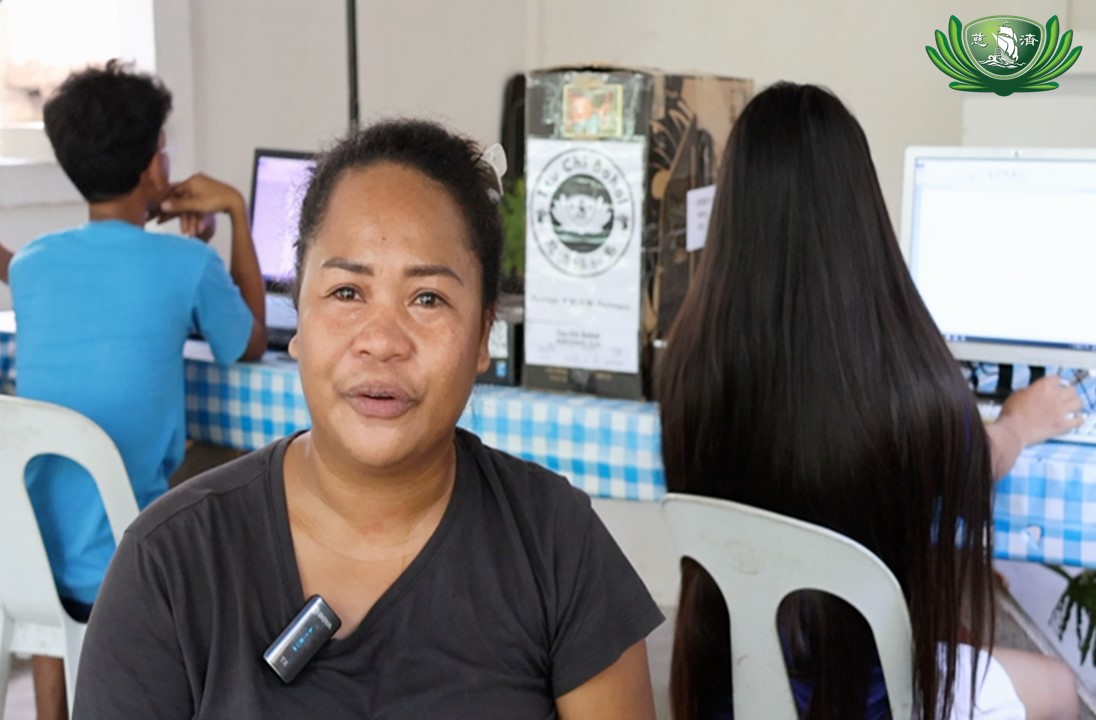
Analie Aduabe, 38, is the first Ati in their tribe to obtain a college degree. She graduated with a bachelor’s degree in elementary education at 36 years old during the height of the pandemic in 2022 while raising her 3 children.
“This is our tribe’s fifth relocation. Our skin color and how we look will always be a matter of mockery and discrimination, but I refuse to be affected by this. I chose to stand up for my tribe. I am empowering the children in my community to get a college degree and show the world that we are no less than anyone else.” said a tearful Analie while recalling the pains of what she and her tribe were going through.
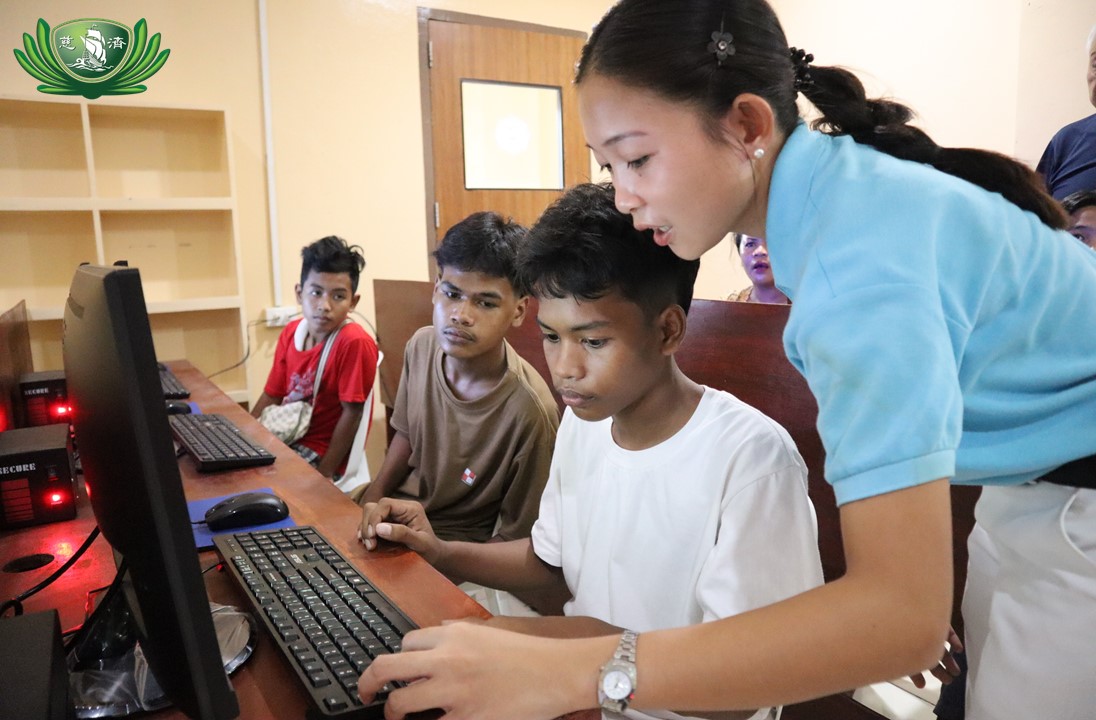
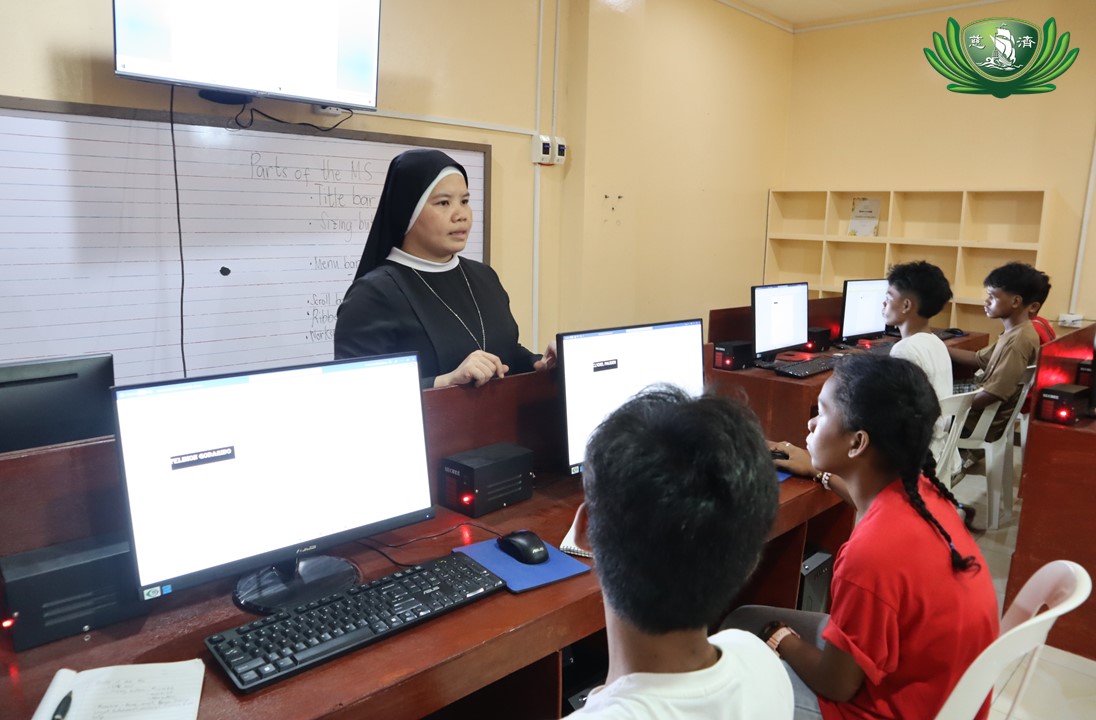
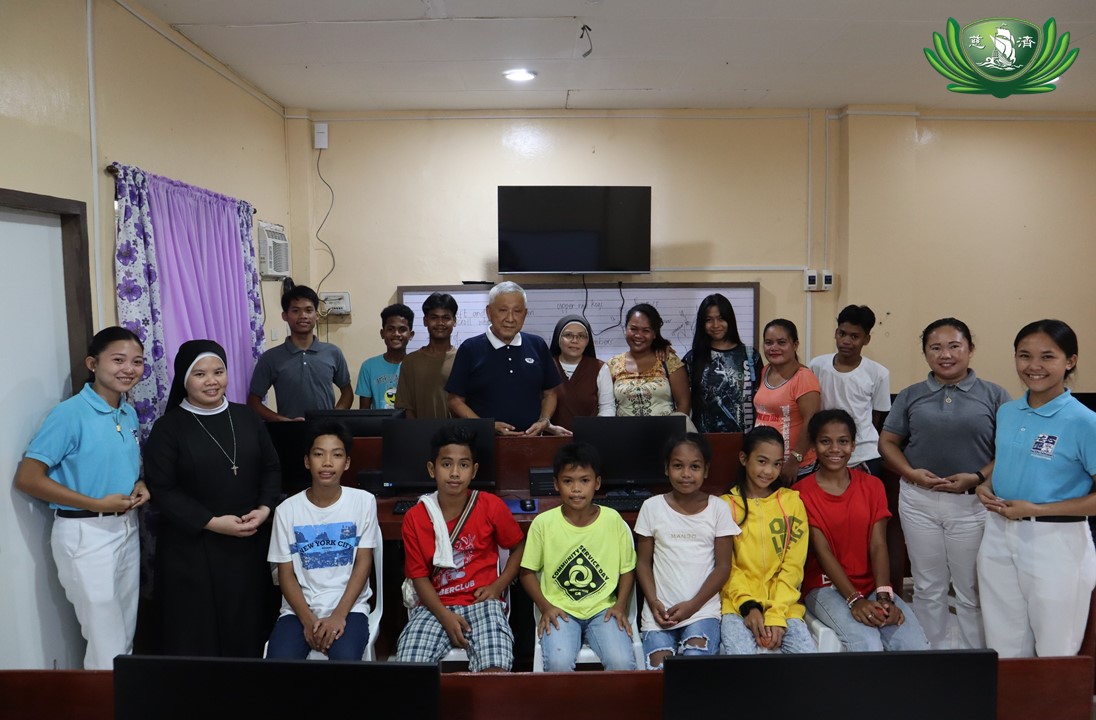
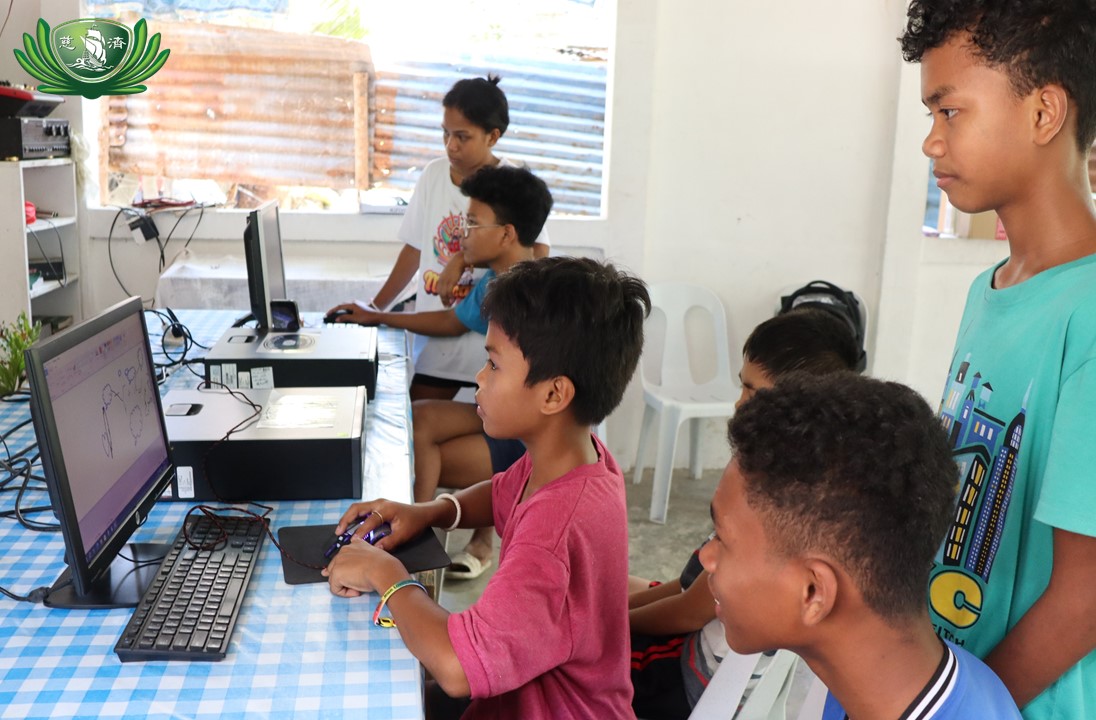
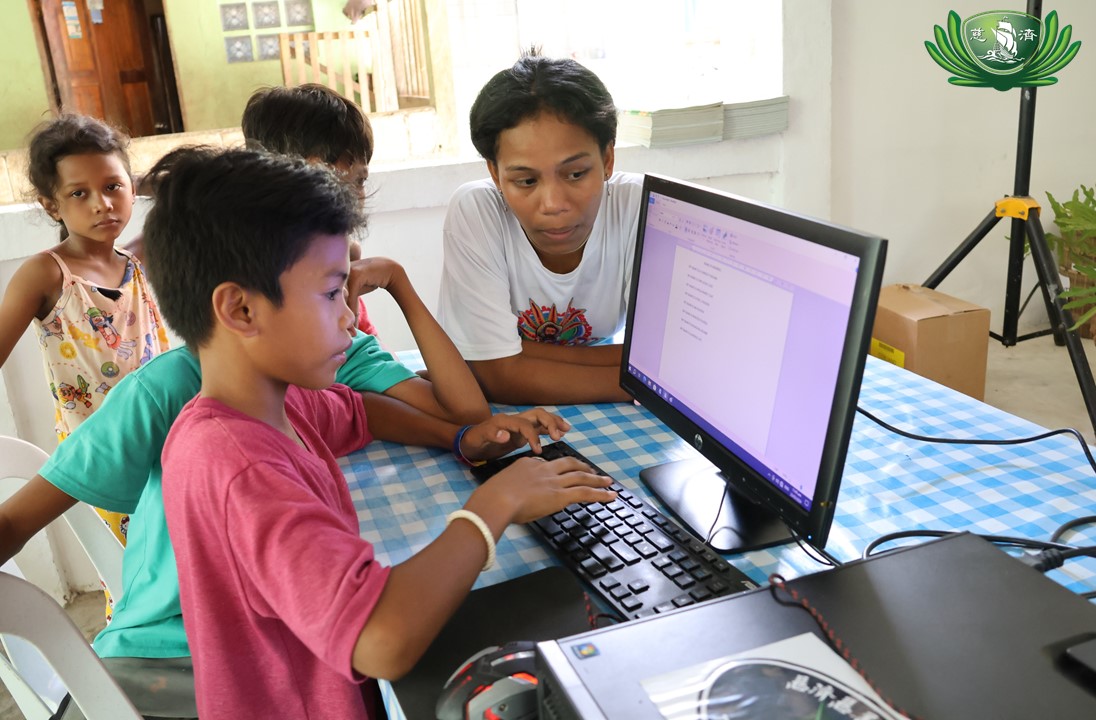
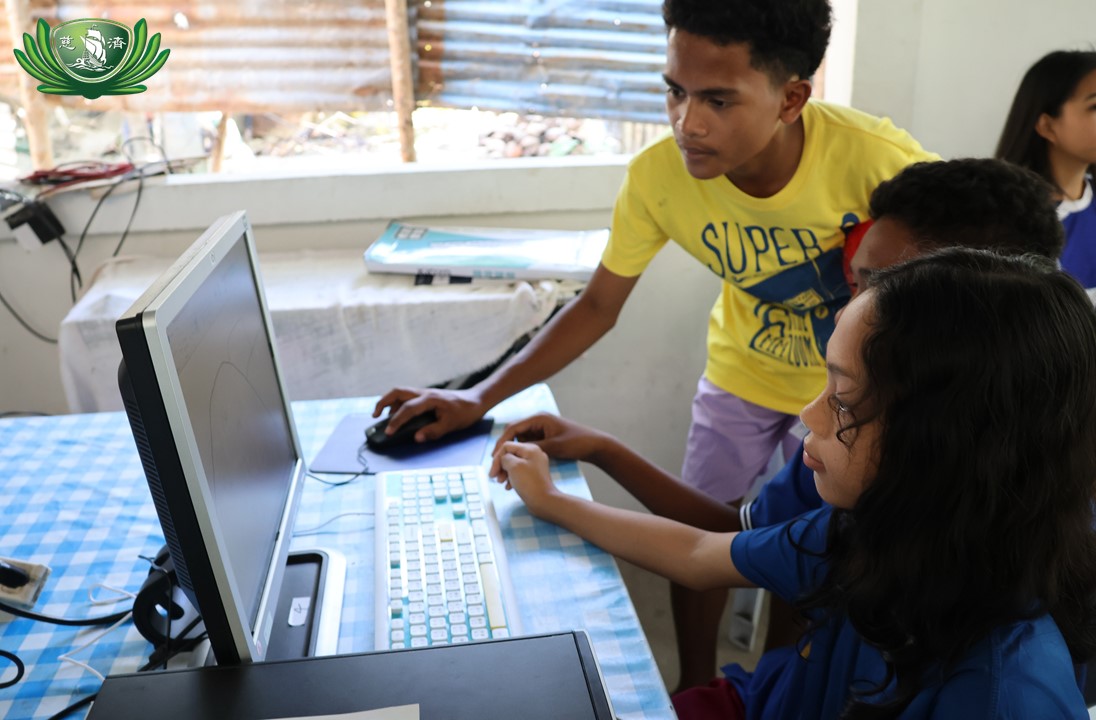
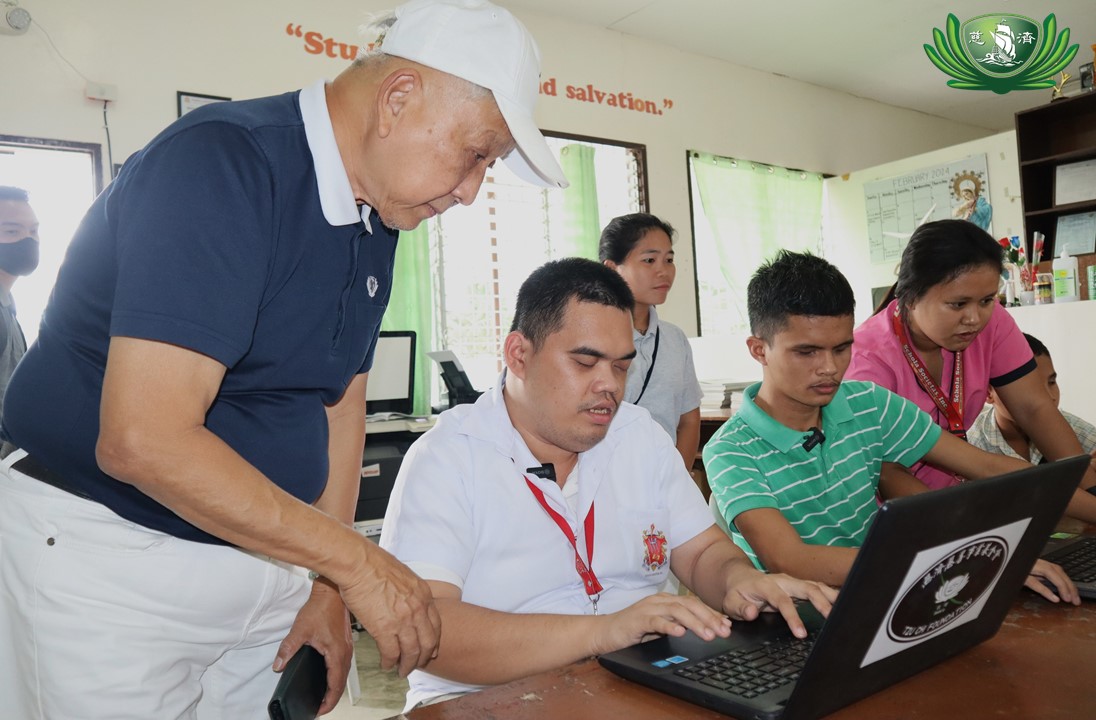
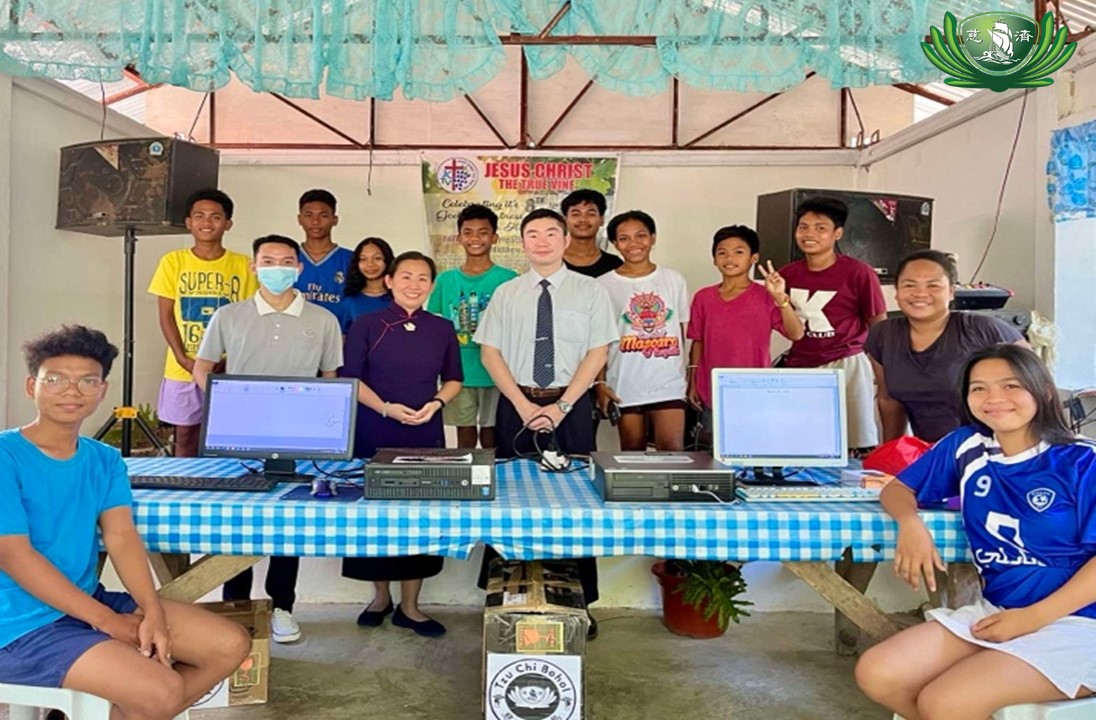
In July 2023, about a dozen of Ati children and young adults were chosen to benefit in the basic computer learning program facilitated by the Carmelite Sisters in Loon. The computers were endowed by Tzu Chi to the monastery through the generous donation of Asus Philippines. For the first time, the Atis were able to hold on and knew about computers. Then, as the computers from Taiwan arrived Bohol in batches, the Ati Tribe community was provided with 3 desktop computers last March 2024.
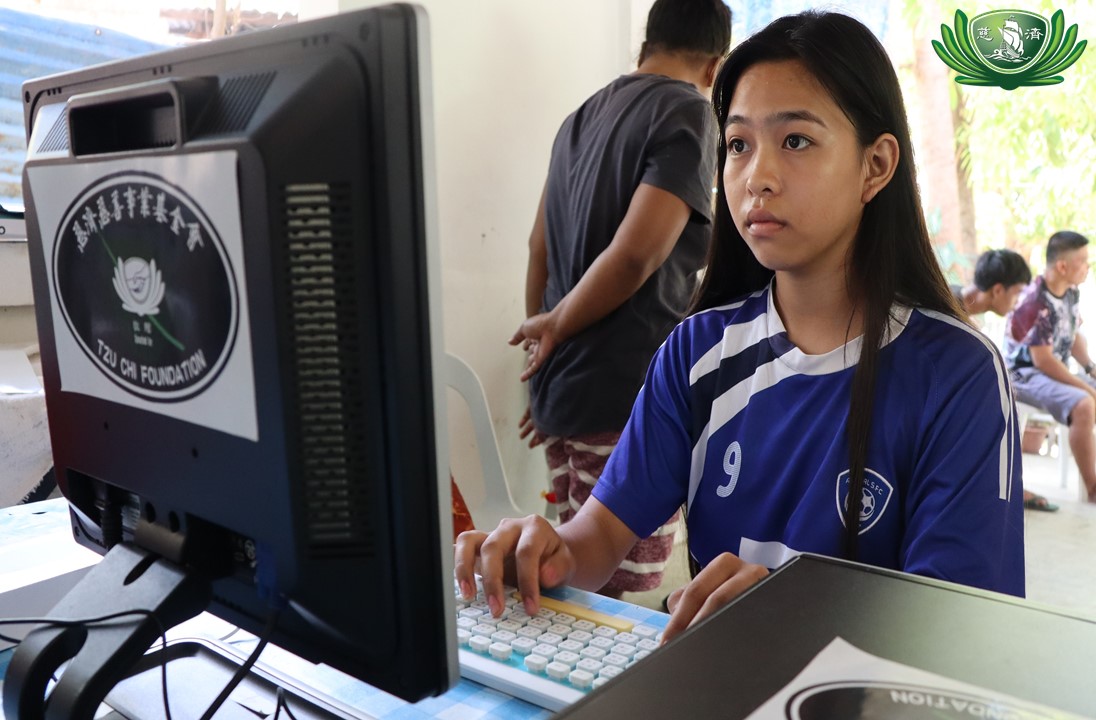
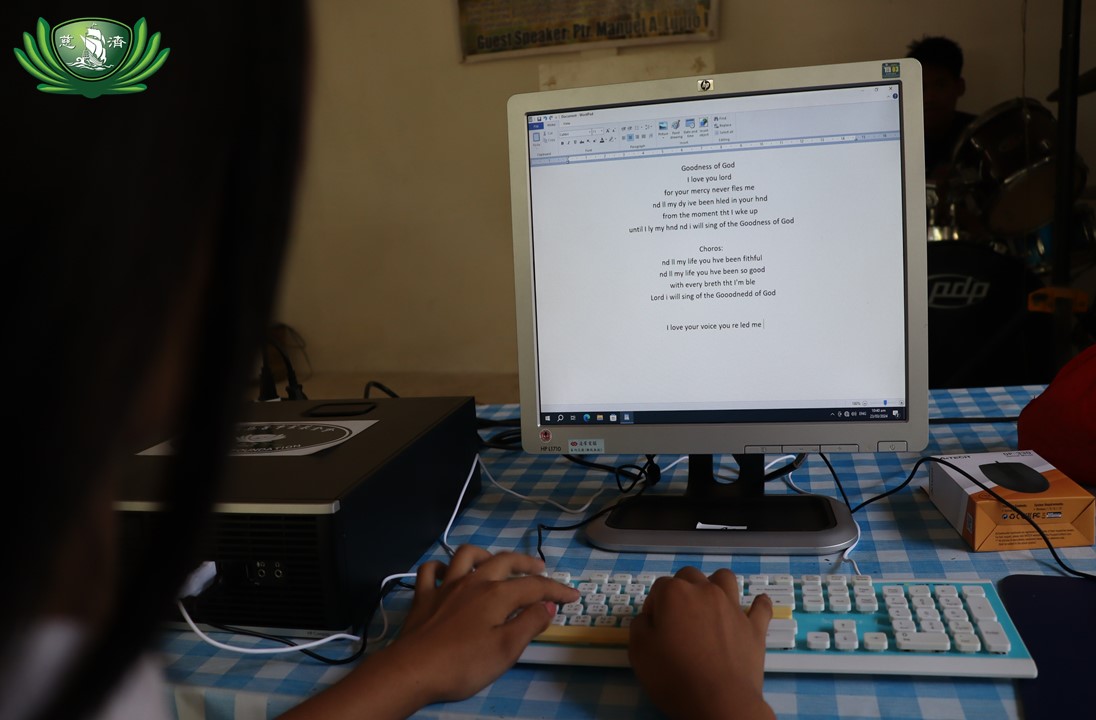
“The Carmelite Sisters who taught us how to use the computers are a big help to me. Now with the computers provided here in our community, we do not need to go far places to rent for a computer to do our schoolwork. I can also help teach our small children here in our tribe how to use the computer.” said Em-Em Aduabe, daughter of Analie.
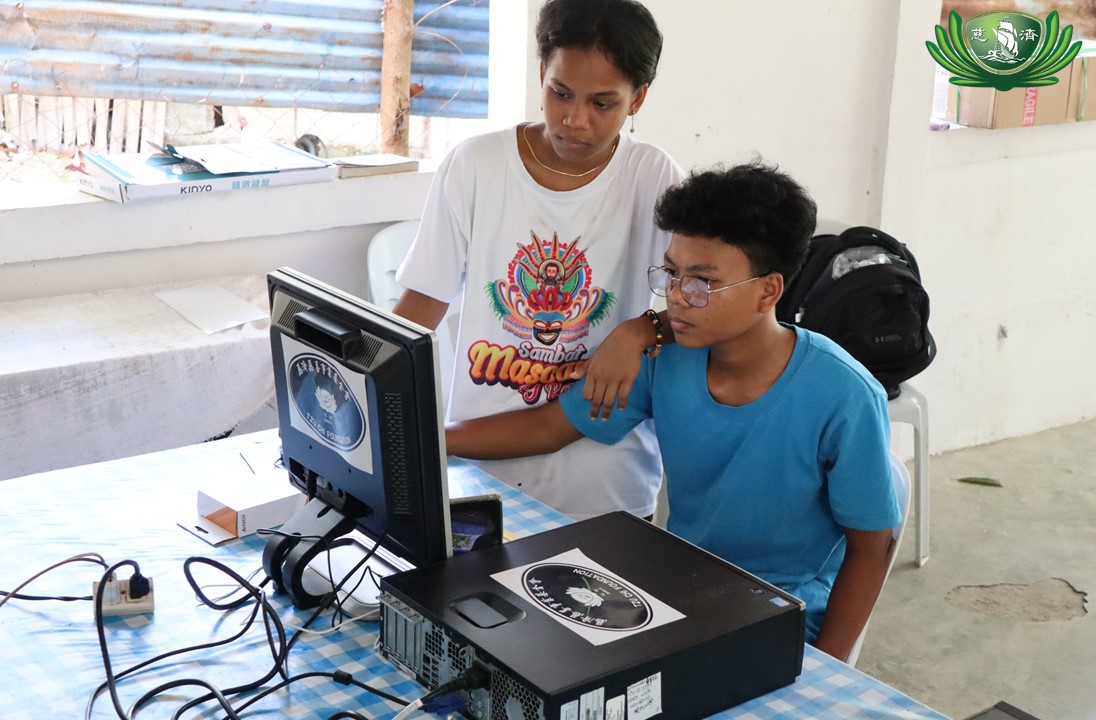
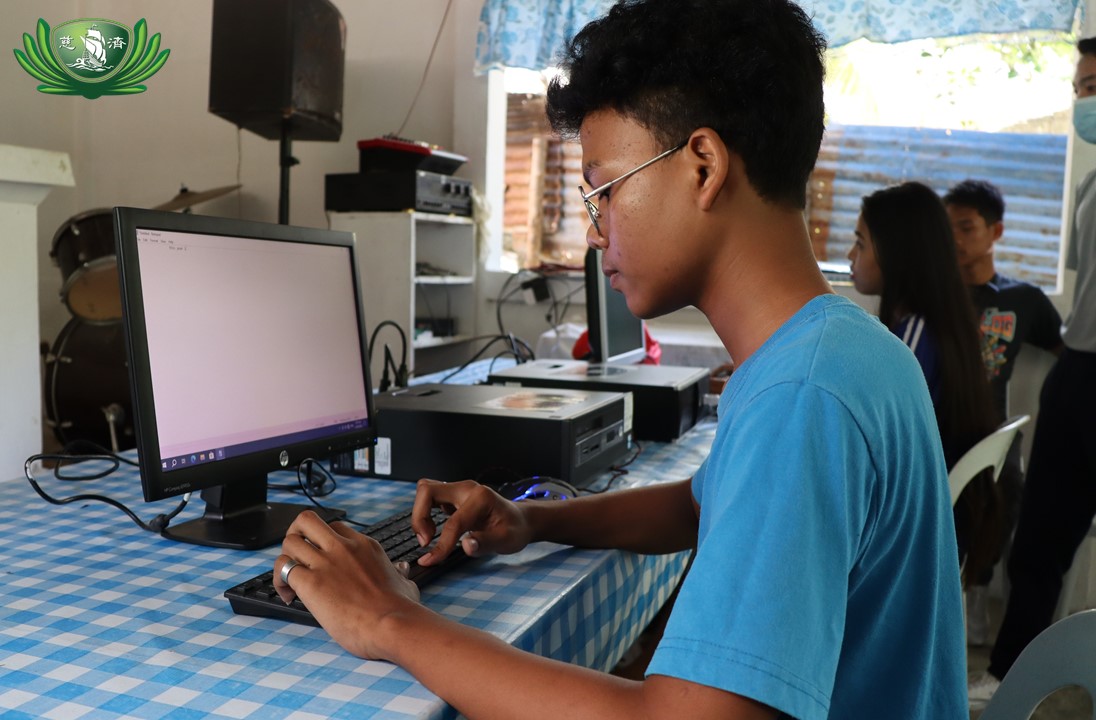
17-year-old Archie Lariosa is an Information, Communication, and Technology (ICT) student in Junior High school. He shared that the program applications taught to them by the Carmelite Sisters had been very useful in his studies. “I don’t get embarrassed anymore with my other classmates because I also know how to use the computer, but I want to learn more so I can apply to my daily living and what it can help me do with my future.”, he said.
The digital adaptation and transition in indigenous communities is an instrument to preserving their cultures, explore knowledge outside of their community, and connecting with the world. It can provide access to education, healthcare, and economic opportunities while also inspiring others with their voices and identities in the digital space.
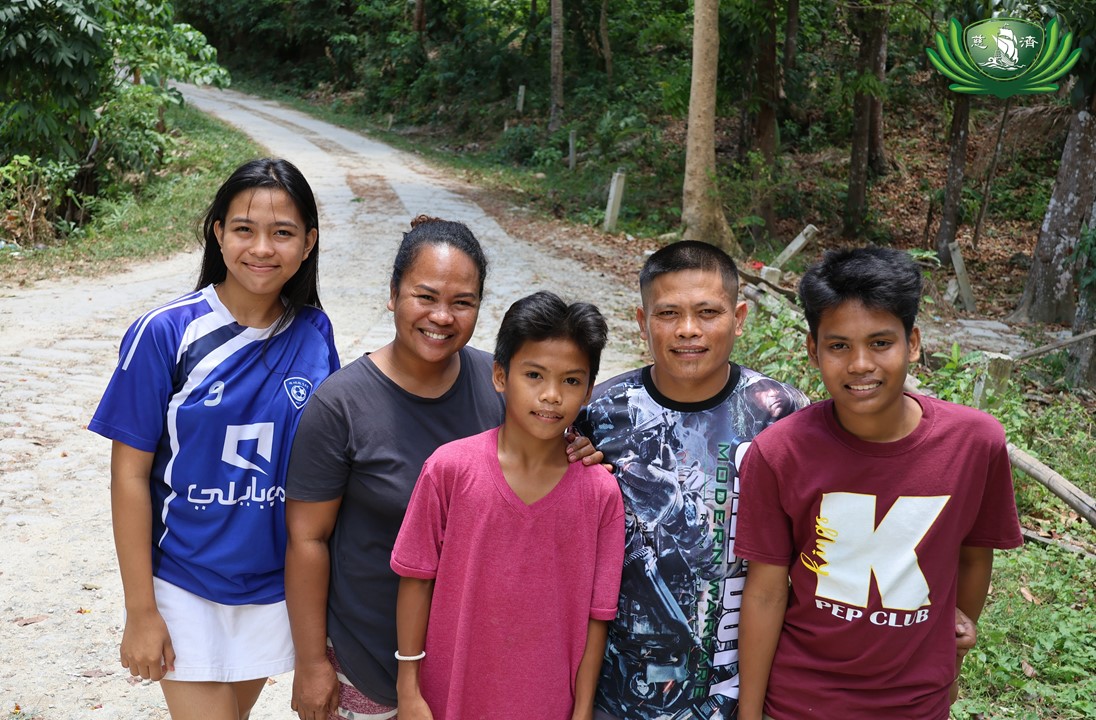
𝙏𝙝𝙚 𝘼𝙙𝙪𝙖𝙗𝙚 𝙁𝙖𝙢𝙞𝙡𝙮 𝙝𝙤𝙥𝙚𝙨 𝙩𝙤 𝙨𝙚𝙩 𝙖𝙣 𝙚𝙭𝙖𝙢𝙥𝙡𝙚 𝙛𝙤𝙧 𝙩𝙝𝙚𝙞𝙧 𝘼𝙩𝙞 𝙩𝙧𝙞𝙗𝙚 – 𝙩𝙤 𝙨𝙩𝙖𝙣𝙙 𝙪𝙥 𝙛𝙤𝙧 𝙩𝙝𝙚𝙞𝙧 𝙚𝙩𝙝𝙣𝙞𝙘 𝙝𝙚𝙧𝙞𝙩𝙖𝙜𝙚, 𝙚𝙢𝙗𝙧𝙖𝙘𝙚 𝙩𝙝𝙚𝙞𝙧 𝙞𝙙𝙚𝙣𝙩𝙞𝙩𝙮 𝙬𝙞𝙩𝙝 𝙥𝙧𝙞𝙙𝙚, 𝙧𝙚𝙨𝙞𝙡𝙞𝙚𝙣𝙘𝙚, 𝙖𝙣𝙙 𝙨𝙩𝙧𝙞𝙫𝙚 𝙛𝙤𝙧 𝙞𝙣𝙘𝙡𝙪𝙨𝙞𝙫𝙞𝙩𝙮 𝙞𝙣 𝙩𝙝𝙚 𝙨𝙤𝙘𝙞𝙚𝙩𝙮.
“To the first owner of these computers, knowing that these came all the way from Tzu Chi Taiwan, your efforts will not go to waste. These computers will transform many lives.” said a grateful Analie.
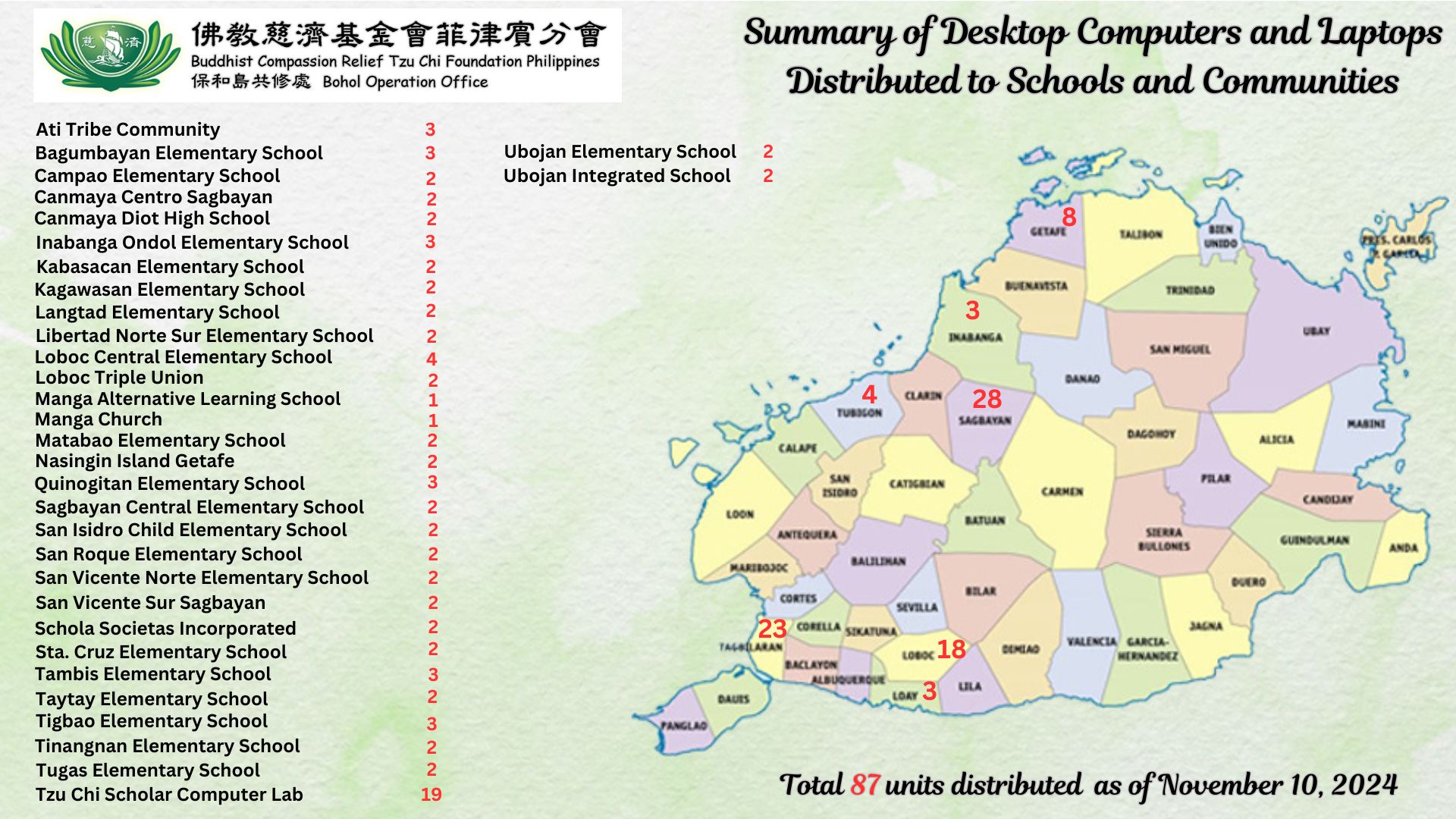
By November 13,2024, Brother Joe Chen has shipped out from Taiwan, 150 units of desktop computers and laptops including 60 units still making its way to Bohol, Philippines. As of November 10,2024, 87 computer units have been distributed to several public schools around the island province. While 19 units of these were set up in the Tzu Chi Bohol office as a resource hub for the Tzu Chi Scholars’ use with their school research and project works.
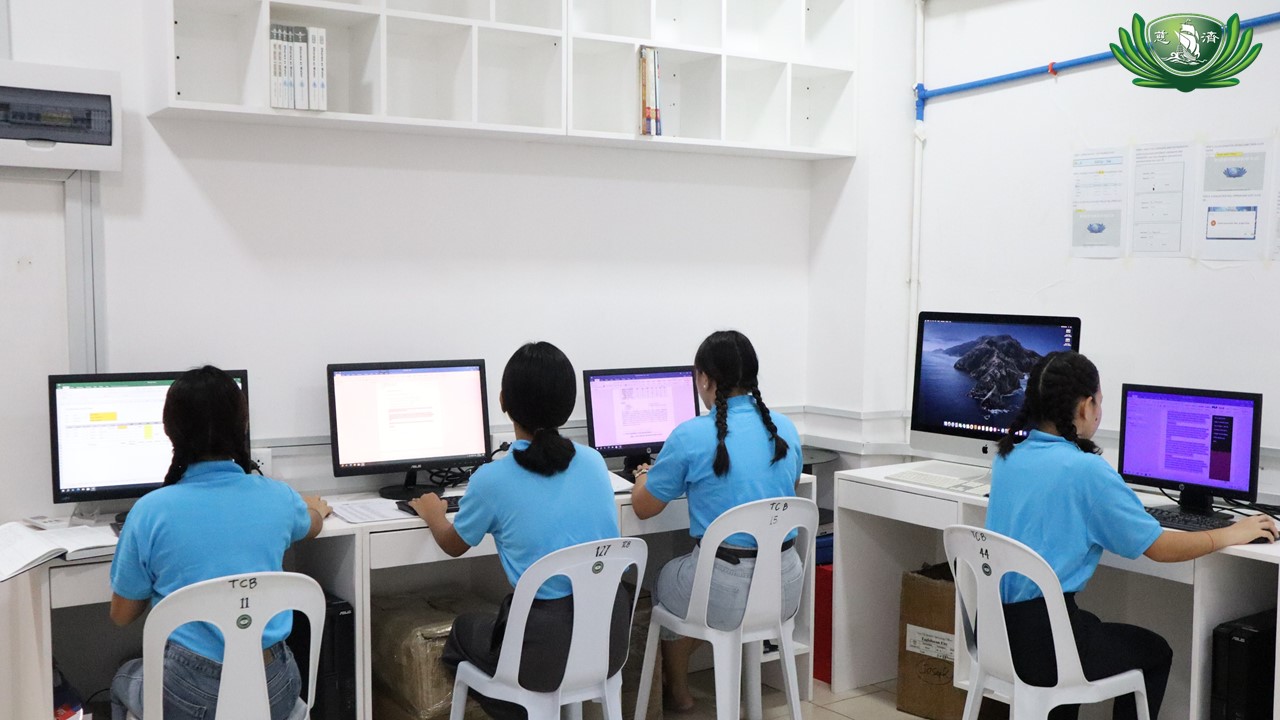
The fast-paced evolution of technology creates a surplus of usable devices that can be redirected toward charitable efforts. In harnessing this surplus, Tzu Chi Bohol intends to address social challenges while benefiting those who receive the technology and also to promote environmental sustainability by reducing resource wastage.